Your teenager was supposed to be home an hour ago. You’ve called twice. No answer. Your mind races through every possibility while you stare at the front door.
Most parents know this feeling. And it’s exactly why location tracking apps have moved from a nice-to-have to something families genuinely rely on. The best location tracking app doesn’t spy on your kids or replace trust. It gives you a calm way to know everyone got where they were going, safely.
This guide walks you through what actually matters when choosing one, which apps are worth your time, and how to pick the right fit for your family.
What a Family Location App Really Does
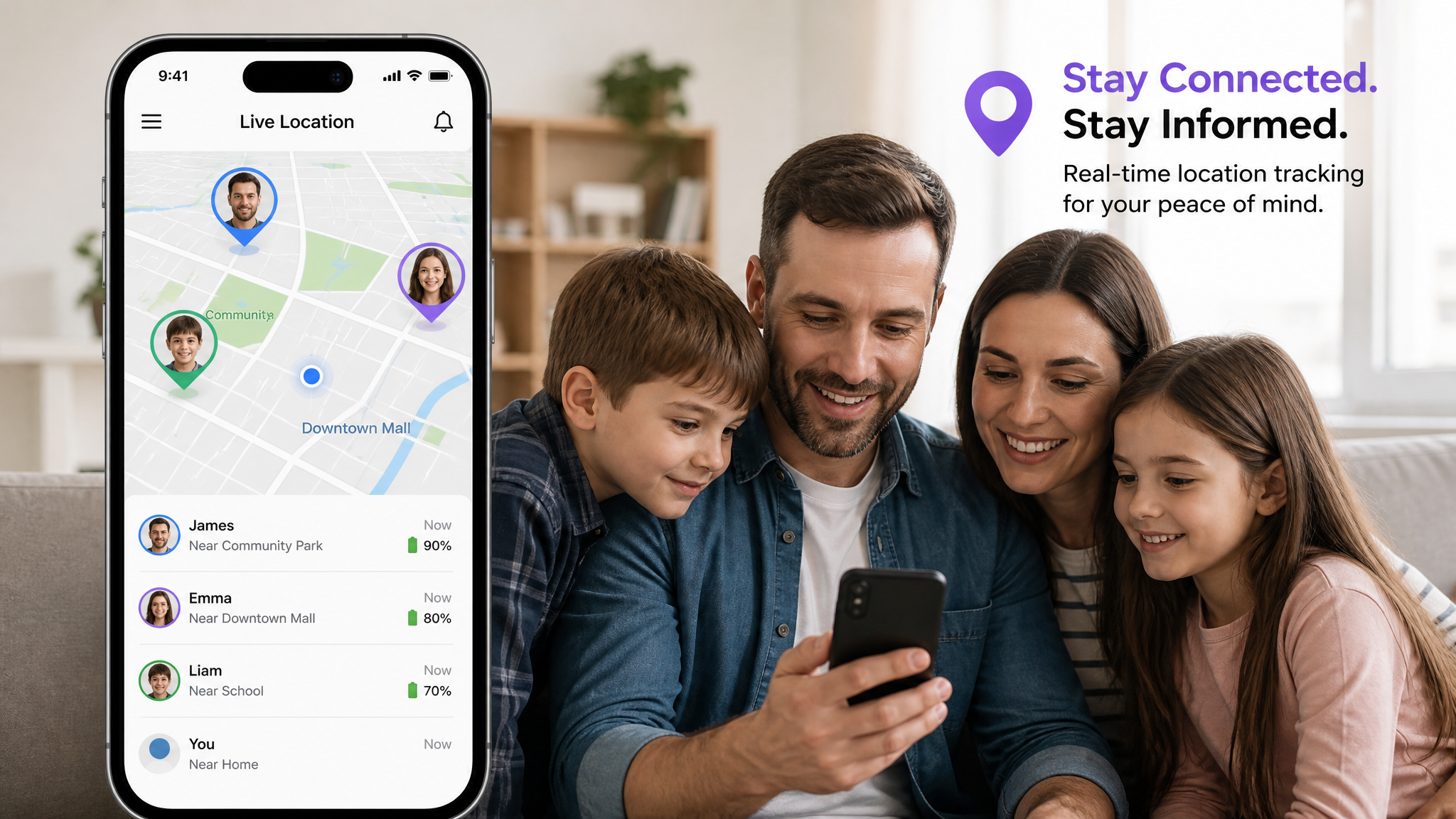
Before comparing options, it helps to understand what these tools are built for. At their core, they share real-time location between family members who’ve agreed to it. Parents see where children are. Adult children can check on aging parents. Partners can coordinate pickups without a dozen texts.
Good apps go beyond a dot on a map. Many now include:
- Location history and timelines, so you can see where someone traveled during the day rather than only their current spot. This is useful when a child forgets to check in after school.
- Safe zone alerts, which notify you automatically when a family member arrives at or leaves a set place like home, school, or a grandparent’s house.
- SOS or panic features, letting a family member send an instant alert with their location if they feel unsafe.
- Battery and phone status, so you know whether someone’s phone died or they’re simply not responding.
The point isn’t surveillance. It’s shared awareness that reduces the small daily worries every family carries.
Why the Best Location Tracking App Matters for Busy Families
Coordinating a household is harder than it looks. Multiple schedules, different destinations, elderly relatives who may need help, and kids old enough to move around on their own but young enough to still worry about.
A reliable app cuts down the mental load. Instead of texting “where are you?” every twenty minutes, you glance at your phone and get an answer. That’s the real value. It’s not about control. It’s about spending less energy tracking logistics in your head.
Consider a household with two working parents, a teen who takes public transport, and a grandparent living nearby. On any given afternoon, three people are moving in three directions. A shared family map turns that chaos into a single, calm view.
There’s a trade-off worth naming, though. These apps only work when everyone participates honestly and understands why it’s being used. A family locator app used without an open conversation can feel invasive to a teenager. Used with agreement, it becomes a tool everyone benefits from.
Best Location Tracking Apps Worth Considering
Here are options families commonly turn to, along with who each one tends to suit. Availability and features change over time, so confirm the current details before you commit.
Wings Track
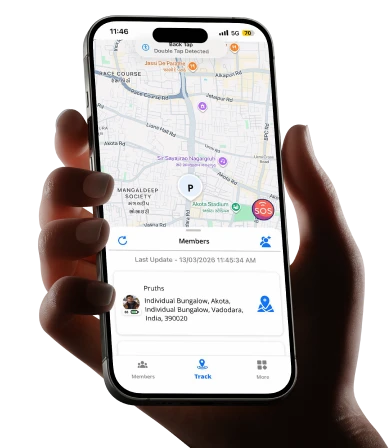
Built with families in mind, Wings Track focuses on straightforward, reliable location sharing without overwhelming you with clutter. It suits parents who want real-time location, movement history, and simple alerts in one place, along with an interface that older relatives can actually use without help. If you want a family locator that keeps setup simple and puts everyday safety first, this is the one to start with.
Life360
One of the more widely known family locator apps. It offers location sharing, place alerts, and driving-related features in its paid tiers. It suits larger families comfortable with a feature-heavy app, though some users find the free version limited.
Google Maps Location Sharing
Free and already on most phones. You can share your live location with specific people for a set time or indefinitely. It’s a solid starting point for families who want basic sharing without installing anything new, but it lacks safe-zone alerts and dedicated family features.
Apple Find My
For all-Apple households, this is built in and reliable. It shares location between Apple devices and works well for locating family members and lost devices. The obvious limit is that it doesn’t help if anyone in the family uses Android.
The right pick depends less on which app is objectively “best” and more on which matches your family’s phones, ages, and how much you actually need.
Comparing the Options at a Glance
| App | Best For | Cross-Platform | Standout Strength |
|---|---|---|---|
| Wings Track | Families wanting simple, focused tracking | Yes | Easy setup and clean interface |
| Life360 | Larger, feature-loving families | Yes | Broad feature set |
| Google Maps | Basic, free live sharing | Yes | Already installed |
| Apple Find My | All-Apple households | No | Built in, no extra app |
Use this as a shortlist, not a final verdict. A family with mixed phones has different needs than one fully on iPhones.
How to Choose the Right Family Locator App for Your Home
Rather than chasing the longest feature list, work backward from what your family actually deals with day to day.
Start with your phones. If everyone uses iPhones, a built-in option may be enough. Mixed households almost always need a cross-platform app that treats Android and iPhone equally.
Then think about who’s using it. A young child, a self-conscious teenager, and an elderly parent all interact with technology differently. An app that a grandparent can’t figure out won’t get used, which defeats the purpose. Simplicity often beats power here.
Consider what problem you’re really solving:
- Daily coordination, where you mainly want to reduce check-in texts and know when kids reach school or home safely.
- Peace of mind for elderly relatives, where automatic arrival alerts and an easy SOS button matter more than driving reports or detailed history.
- Safety in specific situations, like a teen traveling alone at night, where real-time accuracy and a panic feature carry the most weight.
Finally, weigh cost against use. Free options cover the basics well. Paid apps earn their price only if you’ll genuinely use the extra features. Many families overpay for tools they never touch.
Talking to Your Kids So the App Actually Works
An app your teenager quietly disables at every chance isn’t doing anything. Buy-in matters more than any feature.
The families who use location sharing well tend to treat it as a two-way agreement rather than a one-way watch. When a teen can see a parent’s location too, it stops feeling like a leash and starts feeling like how the household stays connected. Explain what triggers an alert and what doesn’t. Be clear that you’re not reading their messages or monitoring their every move, only their location, and only for safety.
Trust and technology work best together, not against each other. The tool supports the relationship. It never replaces it.
FAQ’s
Is using a location tracking app on my child an invasion of privacy?
It depends on how you use it. Used secretly, it can damage trust. Used openly, with your child understanding what’s shared and why, most families find it becomes a normal safety habit rather than a privacy issue. An honest conversation makes all the difference.
Do family location apps drain the phone battery quickly?
Constant real-time tracking does use battery, but most modern apps are optimized to limit the impact. You can often adjust update frequency to balance accuracy against battery life. If battery is a concern, look for an app that lets you control how often location refreshes.
Can I use one app if my family has both iPhones and Android phones?
Yes, but only if the app is cross-platform. Apple Find My works only between Apple devices, so mixed households should choose a family locator app that supports both systems equally, such as Wings Track or other cross-platform options.
At what age should I start using a location app with my child?
There’s no fixed age. It often makes sense when a child starts moving around independently, walking to school, taking transport, or spending time out with friends. The right moment varies by child, maturity, and how much freedom they have.
Finding What Fits Your Family
There’s no single best answer here, only the best fit for your household. A family with young kids on Apple devices might never need more than what’s already built in. A busy family with mixed phones, a traveling teen, and an aging parent nearby will benefit from a dedicated, cross-platform tool.
If you want a starting point that keeps things simple and centers on everyday family safety, Wings Track is built exactly for that. Try it with an open conversation at home, and you’ll quickly learn whether it earns a permanent spot on your family’s phones.